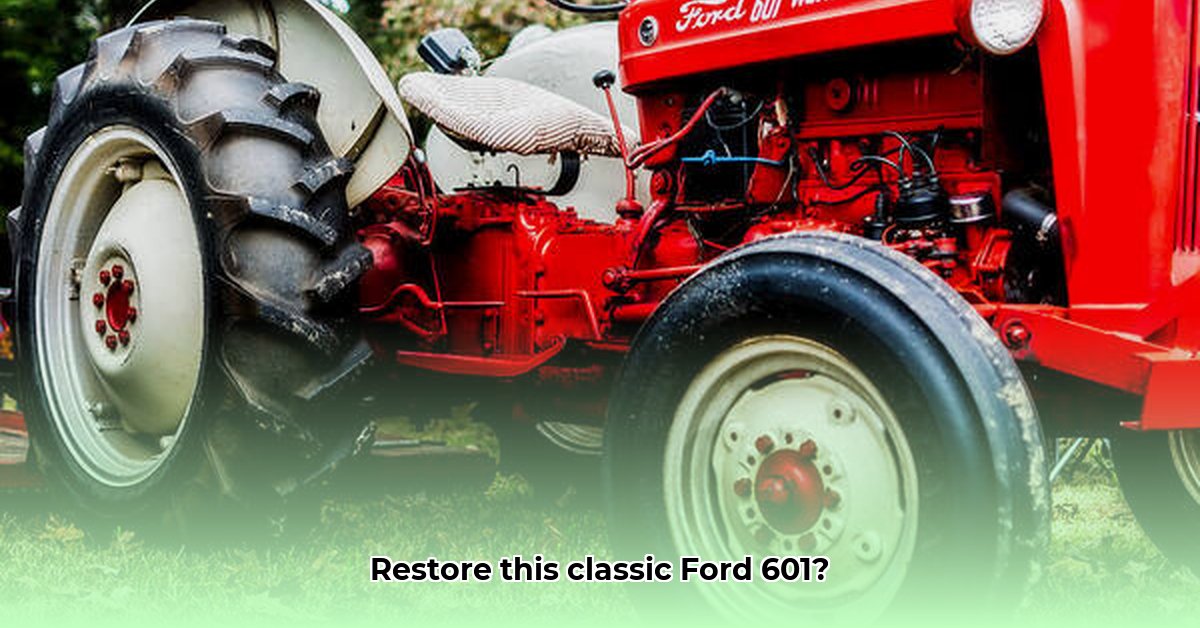
The Ford 601 Workmaster, a stalwart of mid-20th-century agriculture, offers a blend of rugged reliability and classic charm. This guide provides comprehensive advice for prospective buyers, current owners, and restoration enthusiasts, covering everything from pre-purchase inspections to resale strategies. Whether you're a seasoned farmer or a novice collector, understanding the nuances of this iconic tractor is key to maximizing your experience. For added comfort, consider upgrading your seat with a new seat cover.
Buying a Ford 601 Workmaster: A Step-by-Step Guide
Acquiring a Ford 601 Workmaster requires careful planning and a methodical approach. This section details crucial steps to ensure a smooth and informed purchase.
1. Pre-Purchase Inspection: A thorough pre-purchase inspection is paramount. Engage a qualified mechanic experienced with vintage tractors. Their expertise will identify potential issues before you commit to the purchase. This should include a comprehensive assessment of the engine, transmission, hydraulics, and overall mechanical condition. Look for signs of significant wear, leaks, and corrosion.
2. Assessing Condition: This involves a detailed evaluation of both the mechanical and cosmetic aspects. Consider the following:
- Engine: Does it start easily? Does it run smoothly at various speeds? Are there any unusual noises or smoke?
- Transmission: Does it shift smoothly through all gears? Are there any grinding noises or difficulty shifting?
- Hydraulics: Check for leaks. Do the hydraulic functions operate correctly?
- Bodywork: Examine the condition of the body, including paint, rust, and dents. Assess the overall structural integrity.
3. Parts Availability: Research parts availability before purchasing. While some parts remain readily available through online marketplaces and specialized suppliers, others might require more effort to source. Online forums and vintage tractor communities can be invaluable sources of information. The availability of parts directly impacts the ongoing cost of ownership.
4. Repair Cost Estimation: Budget realistically for potential repairs. Even well-maintained tractors need occasional maintenance. Consider both routine maintenance and the cost of larger repairs that might be needed. Factor in the cost of parts, labor, and any specialized tools you may require. Don't forget to incorporate a contingency for unexpected issues. Consider the cost of repair in your purchasing decision. Can you comfortably absorb the cost of a potential major repair?
Maintaining Your Ford 601 Workmaster: Preventative Care
Regular maintenance is crucial for extending the life of your 601 Workmaster and preventing costly breakdowns.
1. Routine Maintenance Schedule: Adhere strictly to the recommended maintenance schedule outlined in the owner’s manual. This includes regular oil changes, fluid checks, lubrication of moving parts, and tire pressure monitoring.
2. Fluid Checks & Changes: Regularly check and change fluids such as engine oil, transmission fluid, hydraulic fluid, and coolant. Using the correct fluids is critical to maintaining the proper function of these systems.
3. Lubrication: Regular lubrication of all moving parts reduces wear and tear, ensuring smooth operation and extending the lifespan of your tractor. Pay attention to grease fittings; this is a simple step with significant impact.
4. Troubleshooting Common Issues: Familiarize yourself with common problems and their solutions. This can often be found through online resources, repair manuals, and vintage tractor forums. Early identification of issues can prevent more serious problems from developing.
Restoring a Ford 601 Workmaster: A Comprehensive Approach
Restoring a Ford 601 Workmaster is a significant undertaking, requiring patience, mechanical aptitude, and access to parts.
1. Parts Acquisition: Sourcing parts for restoration might present significant challenges. Online marketplaces, vintage tractor parts suppliers, and salvage yards are your best resources.
2. Engine Overhaul: An engine rebuild might be necessary, requiring specialized knowledge and mechanical skills or the expertise of a qualified mechanic.
3. Bodywork and Paint: Bodywork and repainting can significantly improve both the aesthetic appeal and the resale value of your restored tractor. Thorough preparation is crucial for a lasting finish.
Reselling Your Ford 601 Workmaster: Maximizing Value
When it's time to sell, maximizing your return requires careful preparation and strategic marketing.
1. Preparation: Thoroughly clean and maintain your tractor. Address any minor mechanical issues and ensure everything is in proper working order. A well-maintained tractor will fetch a higher price.
2. Valuation: Research recent sales of comparable tractors to establish a fair market value. Online forums and classified ads can be useful sources of price information.
3. Marketing: Utilize diverse marketing channels, including online marketplaces, websites specializing in vintage tractors, and local classified ads. High-quality photographs are essential for attracting potential buyers.
Is a Ford 601 Workmaster Right for You? Key Considerations
The Ford 601 Workmaster offers a unique ownership experience. However, it's important to weigh the pros and cons before making a purchase:
- Pros: Relatively affordable entry price, simple yet durable design, nostalgic appeal, potential for rewarding restoration.
- Cons: Higher potential for maintenance costs, parts sourcing challenges, lower horsepower compared to modern tractors, requires mechanical aptitude.
This guide provides a solid foundation for your Ford 601 Workmaster journey. Remember to prioritize thorough research, always consult your owner's manual, and seek professional advice when needed.